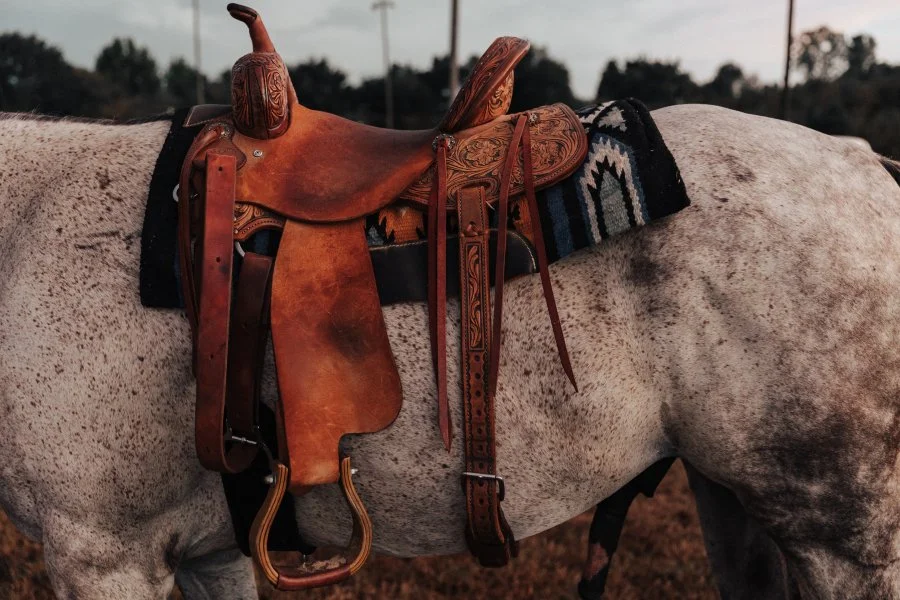
Theology With some Dirt Under Its Fingernails
I have spent quite a bit of time thinking about theology and what it really is, how it benefits us as a whole. Not just what we believe, but what those beliefs actually do to us. How they shape us.
What happens when theology leaves the pages of academia and enters the body? What happens when what we believe about God begins to shape the way we move and have our being — how we notice our breath, how we define rest, work, relate, grieve, heal, pay attention?
These questions became especially meaningful to me while researching and co-authoring a recent academic journal article — about the integration of spiritual disciplines into mental health counseling for identity restoration and trauma healing. Our work explored something the church has known and practiced for centuries, still applicable for modern day living. Spiritual formation is not merely about acquiring information about God; it is about becoming who we were created to be.
And the reality is that becoming happens in real time, in real life. In bodies. In relationships. In ordinary, dare I say mundane, spaces. Sometimes, I have discovered, it also happens on the back of a horse, riding on a trail, in an open field, or working through a riding pattern.
So what is Horse Girl Theology?
It is not a new apologetics forum or a denominational debating platform. It is not a way of making horses into spiritual symbols. And it is definitely not an attempt to turn every moment in the pasture into a devotional illustration.
It is a mindset.
A belief that theology is meant to be lived — and that God can teach us through His creation if we are willing to pay attention. The Bible itself invites us to do this.
Creation declares the glory of God. The heavens proclaim His very own handiwork (Psalm 19). Jesus points His disciples to birds, flowers, seeds, sheep, vineyards, storms, fields and harvests. Scripture is filled with ordinary things carrying extraordinary invitations to see God differently.
Perhaps we have simply forgotten how to look. How to pay attention.
Theology with dirt under its fingernails.
There is something about interacting with horses that help take something abstract or elusive and make it tangible. Think of it like a presentation of information, without judgment or preconceived assumptions. You can talk all day about trust, but eventually, you stand beside a 1,200-pound animal and learn whether you actually know how to trust. The same goes for presence. You can talk about it, but a horse knows pretty quickly whether you are actually present. And boundaries. You can say you have boundaries, but when they are tested, you get to choose how you respond. The same goes for communication, patience, surrender, leadership, fear, and connection.
Then you walk into that arena. And suddenly our ideologies get to be tested, as an invitation to be lived out rather than talked out.
This is what fascinates me. The horse never replaces Scripture and certainly not the work of the Holy Spirit. But creation becomes a sort of conduit for the revelation of the character of God, as He has imprinted it throughout all of what He has made.
So we get to step fully into creation and notice, allowing truth to become embodied. A place where something we have known intellectually becomes more experiential.
From know about God to learning the ways of God.
One of the ideas that has become increasingly important to me is the difference between possessing knowledge about something and then actually putting it into practice. We can know that rest is good and still live exhausted lives. We can know that God is trustworthy and still live as though everything depends on us.
Whew. Stop and think about that for a second.
We can know that our identity is secure in Christ Jesus and still spend our lives performing for approval. The difference in knowledge and knowing.
We can know that Scripture tells us to be present, attentive, humble, patient, courageous, and surrendered — and still struggle to live those things when our bodies are under inevitable stress.
This is why spiritual practices matter. They give our beliefs somewhere to go, to exist. Prayer becomes something we actively do. Sabbath becomes something we inhabit. Silence becomes something we experience. Fasting becomes something our bodies participate in. Community becomes something we practice rather than merely affirm.
And in the right context, even horsemanship can become a place where we practice attentiveness, patience, restraint, courage, communication, and yes…surrender.
Not because riding a horse is inherently spiritual. But because we are spiritual beings living embodied lives in God’s creation.
A theology for ordinary people.
A practical theology is not a theology stripped of its depth and mystery; rather, it takes the deep things and asks: What does Sabbath look like when my life is full, and what is true surrender when anxiousness fills my soul? What does strength look like when God is asking me to yield? And how does unprocessed grief live in the body? What does true forgiveness really require of us? How do we step into our divine identities without striving and performing?
This is theology that is lived out, not boxed in to our own abilities to think and reason. The goal is not to find God hiding behind every horse. The goal is to become a people awakened to the presence of God in everything.
So, I guess this is more like an invitation to recover or discover a faith that is practiced, embodied, attentive, and alive. A faith that embraces formation through repetition, rhythm, relationship. One that remembers we are not disembodied souls trying to escape ordinary life. We are meant to be an embodied people, given of ourselves as living sacrifices to the ways of the Lord.
Maybe that’s why I love horses so much. Thy remind me to live. Right here. Right now.
You cannot rush trust, fake presence, or circumvent the process of transformation. You certainly cannot force relationship. Sometimes the most powerful thing you can do is yield.
So that is a glimpse of the heart behind Horse Girl Theology.
Perhaps all that it is is simply another way of learning to pay attention to the God Who has been speaking all along.
AND IF YOU WOULD LIKE TO READ THE ACADEMIC JOURNAL ARTICLE, CHECK IT OUT HERE: https://digitalshowcase.oru.edu/cgi/viewcontent.cgi?article=1071&context=salubritas
