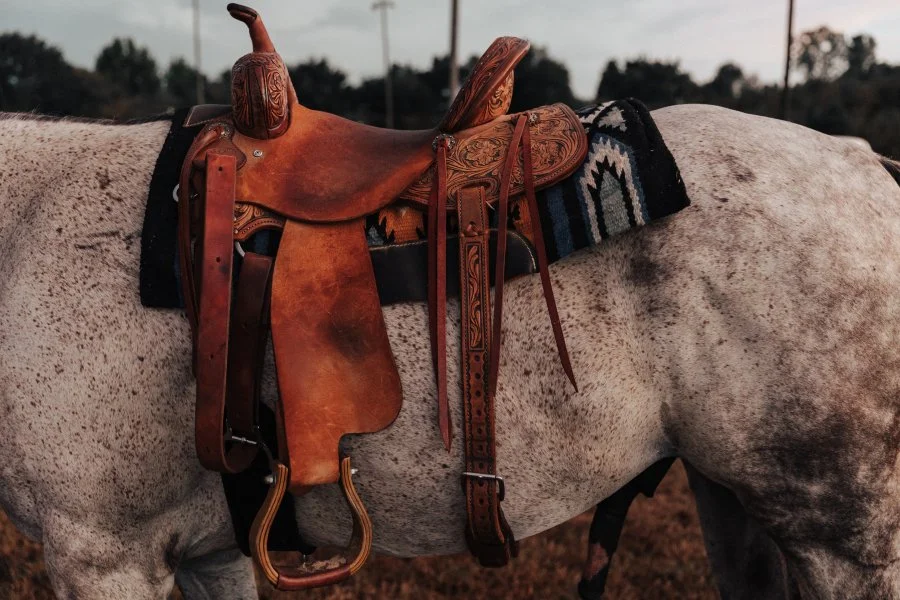
Horse Girl Theology: When Creation Teaches Us to See
What if theology isn’t only something we study? What if it is also something we learn to see? Scripture begins with a God who creates—and then repeatedly invites His people to pay attention to what He has made.
“The heavens declare the glory of God; the skies proclaim the work of his hands.”
— Psalm 19:1
Creation is not silent. The heavens declare. The skies proclaim. The earth produces. The animals reveal. The rhythms of seasons remind us. Throughout Scripture, God’s people are invited to look at creation and learn something about the Creator.
Jesus pointed to birds and flowers when teaching His disciples about God’s provision. The Psalms call the animals to praise their Maker. And in Job, God Himself asks:
“Ask the animals, and they will teach you.”
— Job 12:7
That is a remarkable invitation.
Pay attention. Creation has something to teach you.
Enter the horse.
Horses are not Scripture.
They are not divine.
They are not substitutes for the Holy Spirit or for the Word of God.
But they are part of God’s good creation—and that means they can become part of the classroom in which we learn to notice His character, His order, His wisdom, and our own place within what He has made.
Horsemanship requires attention.
A rider learns to notice the smallest changes in posture, breathing, tension, balance, and movement. Communication happens through subtlety. Trust is developed through consistency. Strength is often expressed through restraint rather than force.
The horse continually brings us back to what is happening right now.
And perhaps that is one of the gifts of working with horses: they give us an opportunity to practice the kind of attentiveness Scripture so often calls us toward.
Creation declares. We learn to listen.
Psalm 19 gives us a beautiful picture of two witnesses.
First, creation declares the glory of God.
Then, God’s Word reveals His character and His ways.
Creation tells us something about who made it.
Scripture tells us who God is and how we are to live.
The two are not competitors.
Creation is not the authority over Scripture. Rather, creation is one of the places where we can learn to recognize the fingerprints of its Creator.
This matters in horsemanship.
Because the goal isn’t to turn every interaction with a horse into a spiritual metaphor.
The goal is to become the kind of person who pays attention.
To the horse.
To the body.
To relationship.
To the created world.
And ultimately, to God.
A theology with dirt under its fingernails.
Perhaps this is what “Horse Girl Theology” can mean. Not a replacement for theology. Not making horses into something they aren’t. Not forcing Scripture into every experience. But cultivating a biblical imagination—learning to recognize that God’s world is full of invitations to wonder, wisdom, stewardship, and worship. The paddocks can teach us about patience. Groundwork can teach us about communication. Grooming can teach us about care.
Riding can teach us about balance and trust.
Failure can teach us perseverance.
Stillness can teach us attention.
And the horse itself can remind us that we are not the center of creation.
We are creatures too.
We were made from dust. We were given work to do. We were commanded to tend and keep. We were created for relationship—with God, with one another, and with the world He entrusted to us.
There is something deeply grounding about remembering that.
Perhaps the invitation is simply to look again.
To see the horse.
To see the land.
To notice the rhythm of breath and movement.
To hear the quiet of the breeze blowing.
And then to ask:
What does this reveal about the God who made it?
Because creation is still declaring. The question is whether we have learned to listen.
